Process
Listen, frame, make, prove, grow.
Five stages, agreed artifacts, weekly walkthroughs. The rhythm is designed so you always know what is happening and what is next.
Two working sessions per week · decisions written the same day · walkthrough every Friday.
Listen
Discovery, interviews, analytics and an audit of what exists.
Artifacts: Interview notes, evidence log, problem statement
Frame
Positioning, architecture, priorities and a plan you can hold us to.
Artifacts: Positioning or message guide, page/flow map, scope
Make
Design and build in weekly cycles with visible progress.
Artifacts: Design system, flows, build increments, review notes
Prove
QA, accessibility and performance evidence before launch.
Artifacts: Route QA, axe report, performance budget results
Grow
Measurement, iteration and support after the launch.
Artifacts: Measurement plan, quarterly review, support window
Working rhythm
What a project week looks like.
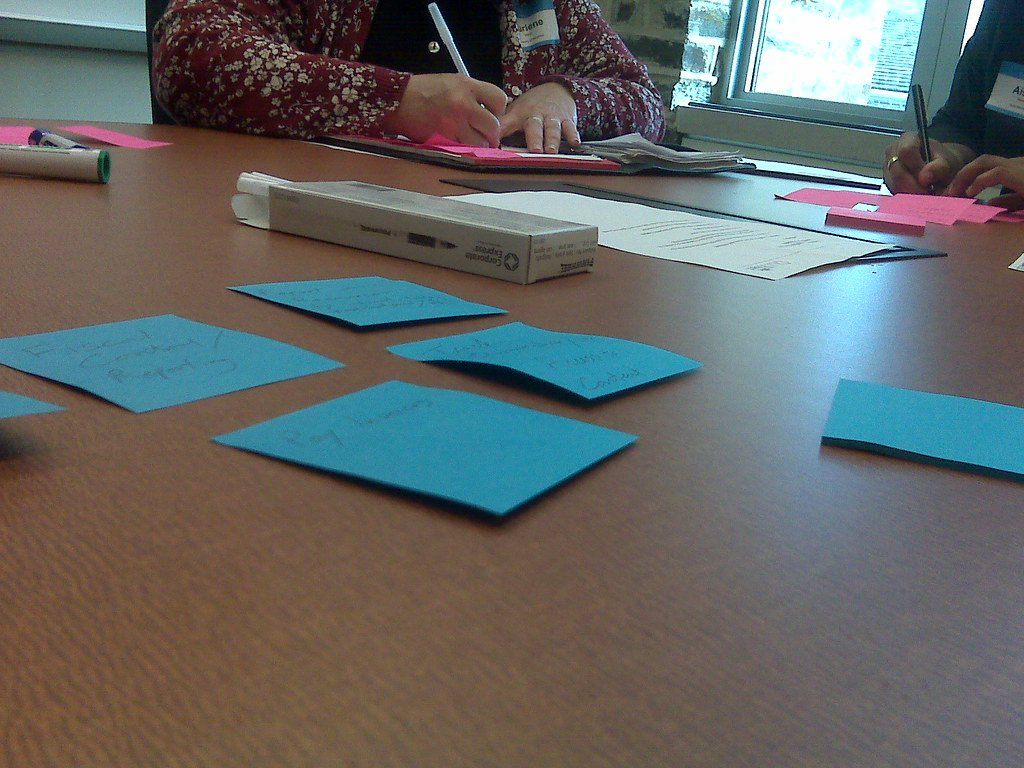
- Monday: priorities and questions exchanged in writing
- Wednesday: working session on the surface in progress
- Friday: walkthrough of what changed, with decisions logged
- Every week: one honest note about risks or drift
What you can expect
Commitments in writing.
A written scope
Deliverables, assumptions and a typical range before kickoff.
Named people
The same senior pair from first call to handover.
Exit clarity
A handover that names owners, formats and dates.
Boundaries
What we do not do.
- We do not run paid media or manage ad accounts
- We do not take on staffing or body-shopping engagements
- We do not start design before the scope and owner are named
- We do not promise outcome numbers we cannot measure with you
Engagement models
Three shapes of commitment.
Questions
About how we run projects.
Questions
How soon can we start?
Scope conversations take about a week; most projects start within three to four weeks.
What do you need to give a range?
A short brief, the deadline if one exists, and who the decision-maker is.
How do you handle changes?
Changes are written down with impact and options; nothing moves silently.
What happens at the end?
A handover session, source files and a 30-day support window on projects.
Next step
Start with a scoped conversation
Send what you know. We will reply with the smallest useful first step.